 Pin it
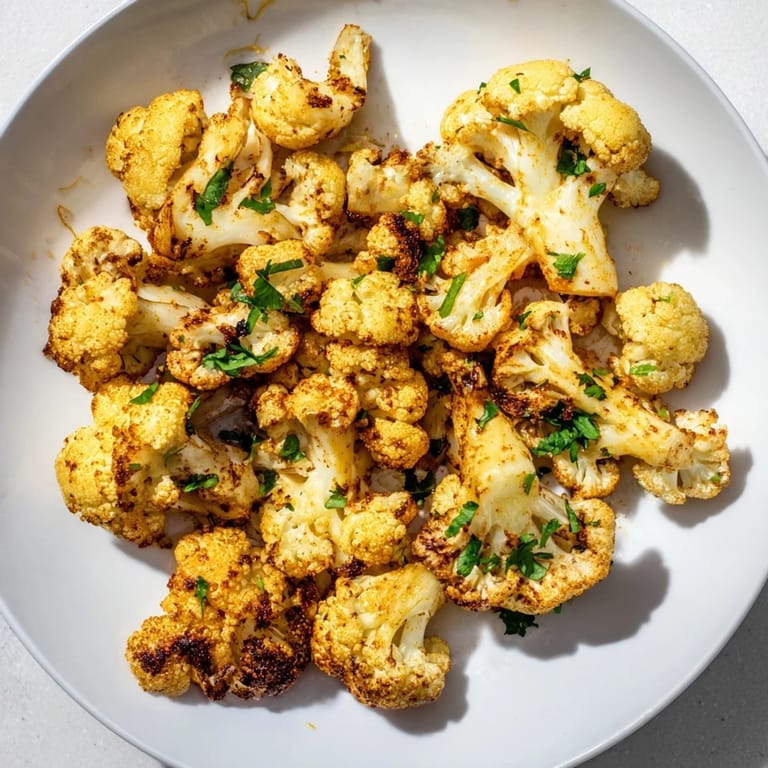
 I discovered the magic of roasted cauliflower completely by accident one winter evening when I was trying to use up a head sitting in my crisper drawer. I'd always been skeptical about cauliflower—too bland, too mushy, the vegetable I'd tolerate but never celebrate. That night, I tossed some florets with oil and whatever spices I found, shoved them in a hot oven, and walked away. Twenty minutes later, my kitchen smelled incredible, and I pulled out these golden, caramelized pieces that tasted nothing like the boiled cauliflower of my childhood. I became obsessed.
I remember bringing a big bowl of this to a potluck where everyone was expecting the usual veggie platter, and watching people come back for thirds was oddly satisfying. My friend Marcus, who claims to hate vegetables, ate half the batch before the main course even arrived. That moment taught me that the way you cook something matters infinitely more than what you're cooking.
Ingredients
- Cauliflower florets: One large head gives you those perfect bite-sized pieces that cook evenly and develop gorgeous caramelization on all sides.
- Olive oil: Three tablespoons is just enough to coat without making everything greasy; don't skimp here because this is what creates the crispy exterior.
- Smoked paprika: This is the star of the flavor show, adding depth and warmth that regular paprika simply cannot match.
- Ground cumin: A half teaspoon brings an earthy undertone that grounds the whole dish and keeps it from tasting one-dimensional.
- Garlic powder: Half a teaspoon adds savory richness without overpowering, and it distributes more evenly than minced garlic ever could.
- Salt and black pepper: These aren't afterthoughts; they're essential for bringing out every other flavor you've layered in.
- Fresh parsley and lemon juice: The optional finish lifts everything at the last moment, adding brightness and a fresh herbaceous note.
Tired of Takeout? 🥡
Get 10 meals you can make faster than delivery arrives. Seriously.
One email. No spam. Unsubscribe anytime.
Instructions
- Get your oven ready:
- Preheat to 220°C (425°F) and line your baking sheet with parchment paper so cleanup becomes almost effortless and nothing sticks.
- Make the coating magic:
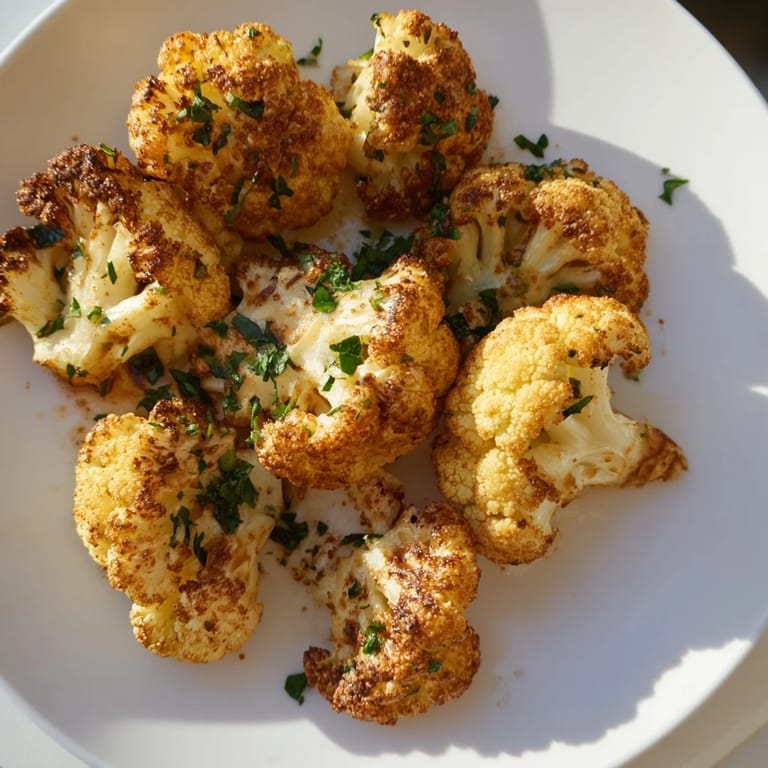
- In a large bowl, combine your cauliflower florets with the olive oil and all your spices, tossing everything until each piece is evenly coated with that beautiful reddish-brown seasoning. This is where the flavor foundation happens.
- Arrange and roast:
- Spread the florets in a single layer on your prepared sheet, giving them room to breathe so they caramelize rather than steam. Pop them into that hot oven and let them work for themselves.
- The flip that matters:
- About halfway through, around the twelve-minute mark, shake the pan or flip the pieces so they brown evenly on all sides and develop that golden, slightly charred exterior.
- Finish strong:
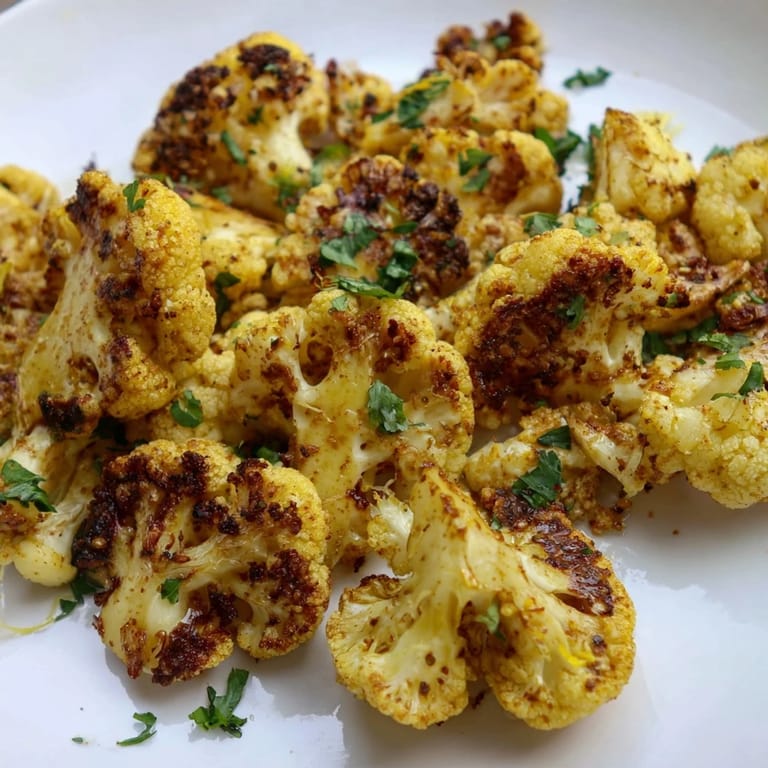
- After twenty-five minutes total, when the edges look deeply golden and a fork slides through the centers easily, remove them from the oven. Taste one while it's still hot to judge the seasoning, then dress with lemon juice and parsley if you'd like.
 Pin it
 There's something quietly satisfying about watching people's faces change when they realize they're genuinely enjoying vegetables. This dish has converted more skeptics than I can count, and that shift from "I guess I'll have some" to "can I take the leftovers?" never gets old.
Why This Method Works So Well
Roasting at a high temperature is the secret to unlocking cauliflower's hidden potential. The dry heat caramelizes the natural sugars in the vegetable, creating complex flavors that steaming or boiling can never achieve. When you add that layer of good olive oil and aromatic spices, you're building something that tastes intentional and cared for, not like an afterthought side dish.
Variations That Keep Things Interesting
Once you understand how this recipe works, the possibilities expand endlessly. I've experimented with curry powder for an Indian-inspired version, zaatar for something Mediterranean and herbaceous, and even a simple combination of just salt, pepper, and parmesan for when I want to let the roasted cauliflower speak for itself. Each variation tells a different story on the plate.
Serving Suggestions and Storage
Serve this straight from the oven while it's still warm and the florets retain their crispy edges. It works beautifully as a side dish, scattered through grain bowls, tossed into salads for crunch, or eaten plain as a snack while standing at the kitchen counter. Leftovers keep well in an airtight container in the refrigerator for three to four days, and they're actually delicious cold the next day.
- Reheat in a 180°C oven for five minutes if you want to restore some of that crispy texture.
- Make a double batch because these disappear faster than you'd expect.
- Try adding a drizzle of tahini or yogurt sauce on top for something creamier and more substantial.
 Pin it
 This humble recipe taught me that sometimes the simplest dishes, made with intention and good ingredients, outshine anything complicated. It's become the vegetable dish I make when I want people to actually feel nourished and satisfied, not just like they've checked a box.
Recipe Q&A
- → What spices enhance the flavor of roasted cauliflower?
Smoked paprika, cumin, and garlic powder create a smoky, earthy, and aromatic profile that complements the natural sweetness of the cauliflower.
- → How do you achieve a tender yet caramelized texture?
Roasting at a high temperature (220°C/425°F) for about 25 minutes allows the florets to become tender inside while caramelizing the edges for added flavor.
- → Can I add toppings for extra taste and texture?
Yes, adding grated Parmesan before roasting adds a crunchy, savory layer, or fresh herbs and lemon juice after roasting brighten the flavor.
- → Is this dish suitable for specific diets?
It is naturally vegan, gluten-free, and low carb, making it suitable for various dietary preferences.
- → What tools do I need to prepare this dish?
A large mixing bowl, baking sheet lined with parchment, chef’s knife, and cutting board are essential for preparation.