 Pin it
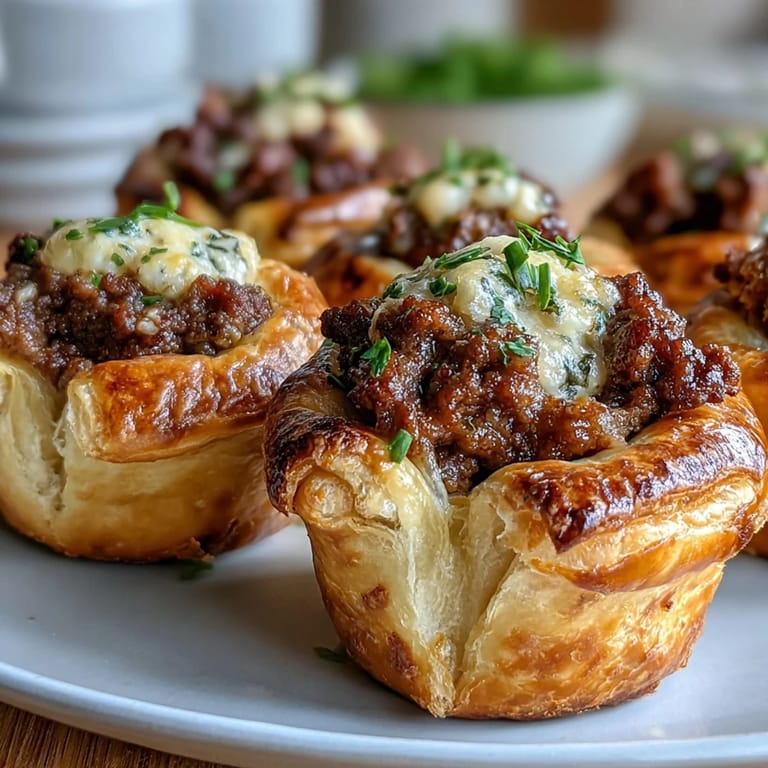
 The smell of allspice and cinnamon mingling with browned beef used to drift from my grandmother's kitchen every December, and I never knew what she was making until I peeked over the counter one afternoon. She was crimping tiny pastries with a fork, her hands dusted with flour, humming something I couldn't name. Those mini tourtières became the thing everyone fought over at holiday gatherings, and I didn't learn to make them myself until years later when she handed me her pastry cutter and said, just don't overthink it. I still use that same cutter, slightly bent on one side, and every time I press it into dough I think of her hands moving faster than mine ever will.
I made these for a friend's birthday once, thinking they'd be a nice addition to the spread, and by the time I turned around from setting down my coat, half the tray was gone. Someone asked if I'd brought more in the car. I hadn't, but I learned that day to always double the batch and hide a few in the back of the fridge for myself. Now I make them every time I want to feel like the most popular person in the room without having to say much at all.
Ingredients
- Cream cheese, softened: This is what makes the pastry impossibly flaky and rich, so let it sit on the counter for 20 minutes before you start or it won't blend smoothly with the butter.
- Unsalted butter, cold and diced: Keep it cold so the pastry stays tender, I cut mine into cubes straight from the fridge and work quickly so it doesn't warm up in my hands.
- All purpose flour: Just enough to bring the dough together without making it tough, don't be tempted to add more even if it feels a little soft.
- Ground allspice: This is the spice that makes tourtière taste like tourtière, warm and a little mysterious, and it's worth buying fresh if yours has been sitting in the cupboard since 2019.
- Ground cinnamon: It plays backup to the allspice but adds sweetness that balances the savory beef in a way that surprises people every time.
- Ground cloves: A tiny amount goes a long way, too much and it takes over, just enough and it deepens everything.
- Dried thyme: Earthy and subtle, it keeps the filling grounded and stops it from tasting like dessert despite all the sweet spices.
- Ground beef: I use regular ground beef, not lean, because the fat keeps the filling moist and flavorful, and you'll drain off any excess anyway.
- Beef broth: This simmers into the meat and helps the spices bloom, I've used chicken broth in a pinch and no one noticed.
- Egg, beaten: Brushed on top, it gives the pastries that glossy golden finish that makes them look like you know what you're doing.
Tired of Takeout? 🥡
Get 10 meals you can make faster than delivery arrives. Seriously.
One email. No spam. Unsubscribe anytime.
Instructions
- Make the pastry:
- Blend the softened cream cheese and cold butter until smooth, then add flour and salt and mix just until it comes together into a soft dough. Divide it in half, flatten each piece into a disk, wrap tightly in plastic, and chill for at least 30 minutes so it's easier to roll out later.
- Cook the filling:
- Melt butter in a skillet over medium heat, add the finely chopped onion and cook until it's soft and translucent, then stir in the garlic for just a minute before adding the ground beef. Break up the beef as it browns, then stir in allspice, cinnamon, cloves, thyme, salt, and pepper, pour in the beef broth, and simmer until most of the liquid has evaporated and the filling is thick and fragrant, about 5 minutes, then remove from heat and stir in parsley if using.
- Preheat and prep:
- Set your oven to 200°C (400°F) and line two baking sheets with parchment paper so the pastries don't stick. Have your beaten egg and pastry brush ready on the counter.
- Roll and cut:
- On a floured surface, roll out one disk of chilled pastry to about 3 mm thickness, then use a 7 cm round cutter to cut as many circles as you can. Gather scraps, re roll gently, and cut more rounds until you've used up the dough, then repeat with the second disk.
- Assemble:
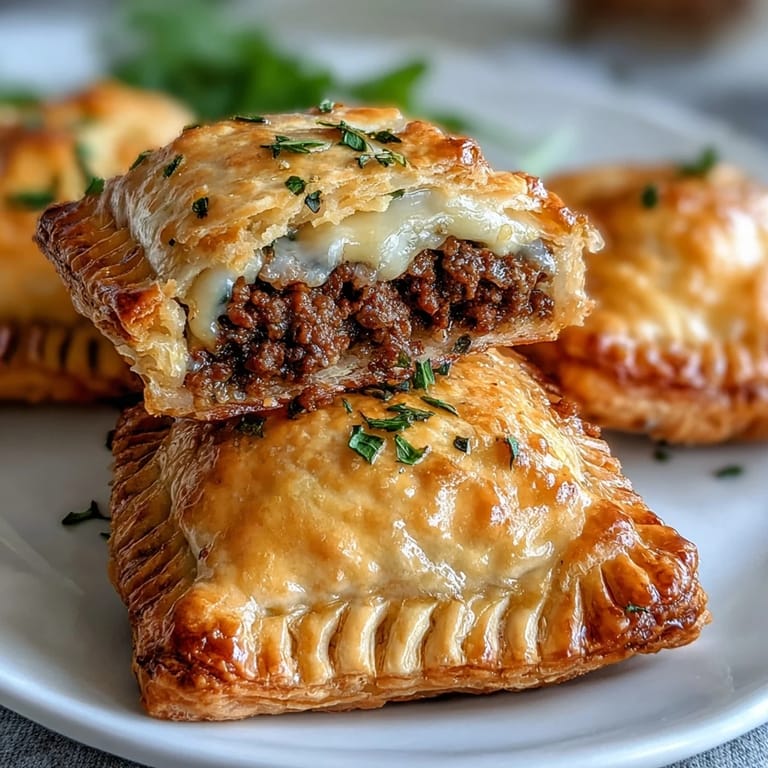
- Place half the pastry rounds on your prepared baking sheets, spoon a heaping teaspoon of cooled beef filling onto the center of each, then brush the edges lightly with water, top with another pastry round, and press the edges together firmly with a fork to seal. Brush the tops with beaten egg and cut a small slit in each one so steam can escape during baking.
- Bake:
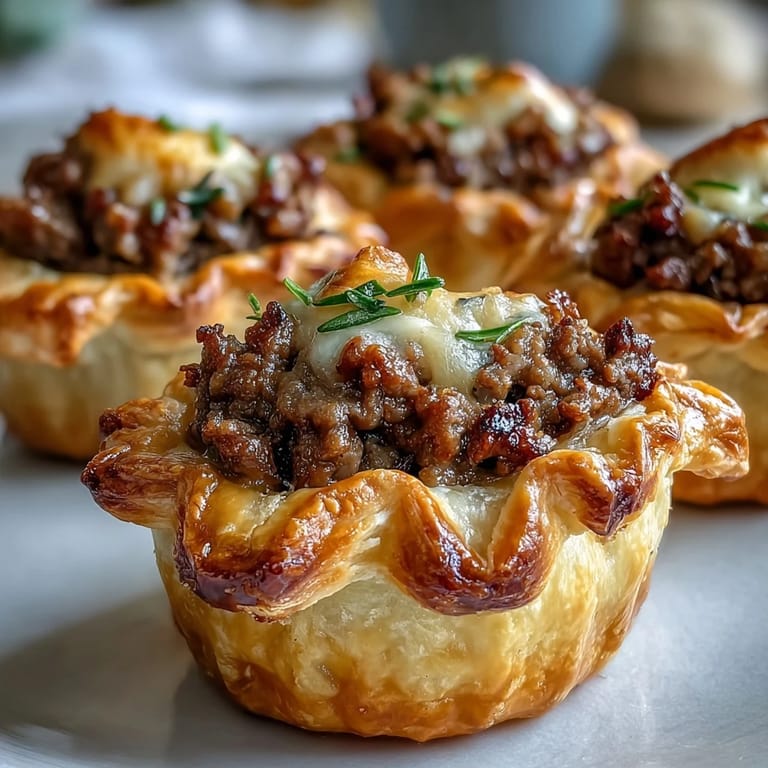
- Slide the trays into the preheated oven and bake for 18 to 22 minutes, until the tourtières are puffed and golden brown. Let them cool on the trays for a few minutes before transferring to a platter, they're good warm or at room temperature.
 Pin it
 One Christmas Eve, I set out a platter of these and my nephew, who claimed he didn't like anything with spices, ate four before realizing what he was doing. He looked up, surprised at himself, and asked what was in them. I rattled off the allspice and cinnamon and cloves, and he shrugged and took another. That's when I realized these little pastries have a way of winning people over before they have time to decide they won't like them.
Serving Suggestions
I like to serve these warm from the oven with a small bowl of cranberry chutney on the side for dipping, the tartness cuts through the richness in a way that feels festive and bright. Sometimes I'll put out grainy Dijon mustard instead, especially if the crowd skews more savory than sweet. They're sturdy enough to hold at a cocktail party but fancy enough that people assume you spent all day in the kitchen, which you didn't, but there's no need to tell them that.
Storage and Make Ahead
The pastry dough can be made up to two days ahead and kept wrapped tightly in the fridge, which actually makes it easier to work with because it stays cold longer when you roll it out. Once assembled, you can freeze the unbaked tourtières on a baking sheet until solid, then transfer them to a freezer bag and bake them straight from frozen, adding just a few extra minutes to the baking time. Baked ones keep in the fridge for three days and reheat beautifully in a 180°C oven for about 8 minutes, though they never last that long at my house.
Variations and Additions
I've stirred finely diced mushrooms into the filling before and it added an earthy richness that made them taste even more luxurious. Some people like to add a pinch of nutmeg or a splash of brandy to the beef mixture, which gives it a deeper, more complex flavor if you're feeling adventurous. You can also swap ground pork for half the beef, which is more traditional in some regions and makes the filling a little lighter and sweeter.
- Try adding 2 tablespoons of finely chopped dried cranberries to the filling for a subtle sweet tart surprise.
- Brush the tops with melted butter instead of egg wash for a softer, less shiny finish.
- Sprinkle a tiny pinch of flaky sea salt on top right before baking for a hit of contrast.
 Pin it
 These little pastries have become my go to whenever I want to bring something that feels like home, even when I'm nowhere near it. They're proof that the best recipes are the ones that carry stories with them, passed down and adjusted and loved into existence.
Recipe Q&A
- → Can I make the pastry dough ahead of time?
Yes, the cream cheese pastry can be prepared up to 2 days in advance and stored in the refrigerator, wrapped tightly in plastic wrap.
- → What can I serve with Mini Beef Tourtières?
These pair wonderfully with cranberry chutney, Dijon mustard, or a tangy horseradish cream for dipping.
- → Can I freeze these before baking?
Absolutely. Assemble the tourtières, freeze on a baking sheet, then transfer to a freezer bag. Bake directly from frozen, adding 5-7 minutes to the cooking time.
- → What makes tourtières different from regular meat pies?
Traditional tourtières feature a distinctive spice blend including allspice, cinnamon, and cloves, giving them a warmly spiced, aromatic flavor unique to Canadian cuisine.
- → Can I use a different type of meat?
Yes, ground pork, veal, or a combination of beef and pork work beautifully in this filling while maintaining the authentic flavor profile.
- → How do I prevent the pastry from becoming soggy?
Make sure the beef filling has cooled completely before assembly, and ensure the liquid has mostly evaporated during cooking to keep the pastry crisp and flaky.