 Pin it
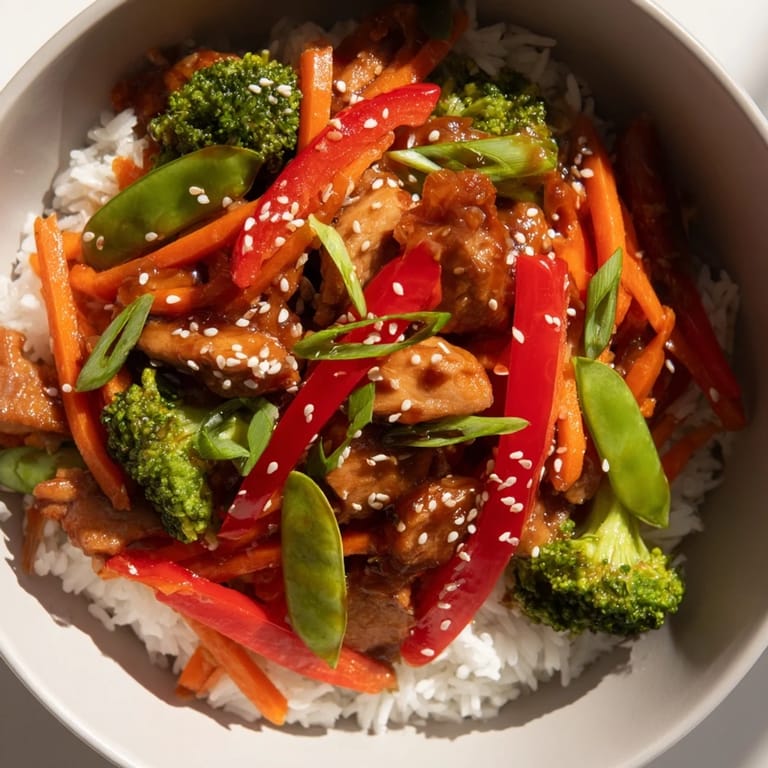
 There's a moment in every cook's life when they realize a restaurant dish is actually doable at home. For me, it was teriyaki chicken over rice at a small Japanese place downtown—I watched the steam rise off the bowl and thought, I could make this. Turns out, I could. What surprised me most was how the glossy sauce clings to each piece of chicken, and how the rice soaks up all those caramelized drippings. This bowl became my answer to those nights when I wanted something satisfying without ordering takeout.
I made this for my sister on a Thursday night when she said she was tired of cooking, and watching her face light up when that first bite hit the rice taught me something about food. It's not always about fancy technique; sometimes it's just about knowing what someone needs to eat that day. She's asked me to make it every time she visits now, which is both flattering and slightly hilarious.
Ingredients
- Boneless, skinless chicken thighs or breasts (500 g): Thighs stay juicier if you're not perfectly precise with timing, and I learned this the hard way with dried-out breasts on attempt number one.
- Vegetable oil (2 tbsp total): You'll use it in two stages—first for the chicken, then fresh for the vegetables, which keeps everything from getting greasy.
- Salt and black pepper: Just a pinch for each is enough; the sauce carries all the flavor drama.
- Soy sauce (80 ml): This is your base note, so don't skip the good stuff if you have it.
- Mirin (60 ml): The secret ingredient that makes this glossy and authentic; it's worth hunting down in the Asian section instead of substituting.
- Honey or brown sugar (2 tbsp): Pick whichever you have—they're doing the same job of rounding out the salt and adding shine to the glaze.
- Rice vinegar (1 tbsp): A small splash that brightens everything and prevents the sauce from tasting flat.
- Garlic and ginger (2 cloves and 1 tsp): Fresh, not powdered—the difference is noticeable the moment the sauce simmers.
- Cornstarch slurry (1 tsp cornstarch mixed with 2 tsp water): This is what transforms loose liquid into that gorgeous glossy coating that clings to the chicken.
- Carrot, red bell pepper, broccoli, sugar snap peas (varied amounts): Use whatever vegetables you have on hand; the cooking time stays roughly the same, and crispness is the goal.
- Cooked rice (600 g or 3 cups): Cook this first so it's warm and ready when everything else comes together.
- Sesame seeds and spring onions (2 tbsp and 2 onions): These are the finishing touches that make it feel intentional rather than rushed.
Tired of Takeout? 🥡
Get 10 meals you can make faster than delivery arrives. Seriously.
One email. No spam. Unsubscribe anytime.
Instructions
- Get your rice ready:
- Start rice first since it takes the longest. While it cooks, you can prep everything else without feeling rushed. Keeping it warm in the pot or a covered bowl is the key to serving hot bowls.
- Build your sauce:
- Combine soy sauce, mirin, honey, rice vinegar, garlic, and ginger in a saucepan over medium heat. Watch it come to a gentle simmer—you'll actually smell when the garlic opens up. Once it's bubbling, stir in your cornstarch slurry and keep stirring for just a minute until it thickens and turns glossy, then step back and let it sit.
- Sear the chicken:
- Heat oil in a large skillet or wok over medium-high heat until it shimmers slightly. Season your chicken pieces with salt and pepper, then lay them down in the hot pan—listen for that satisfying sizzle. Don't move them around immediately; let them sit for a couple minutes to develop a golden crust on one side before stirring.
- Cook until cooked through:
- Keep the chicken moving now, stirring every minute or so, until the pieces are golden all over and cooked through, about 5 to 6 minutes total. When you cut into the thickest piece, there should be no pink. Pull the chicken onto a plate and wipe out your skillet if there's too much oil.
- Stir-fry the vegetables:
- Add fresh oil to the same pan and crank the heat to medium-high. Add your hardest vegetables first—carrots take longer than peppers—and keep everything moving for about 3 to 4 minutes. You're aiming for vegetables that have a little softness but still snap between your teeth, not mushy.
- Bring it together:
- Return the chicken to the pan with the vegetables, pour in your glossy teriyaki sauce, and toss everything to coat. Give it a minute for the flavors to meld and the chicken to reabsorb the sauce, which is when the magic happens.
- Build and finish:
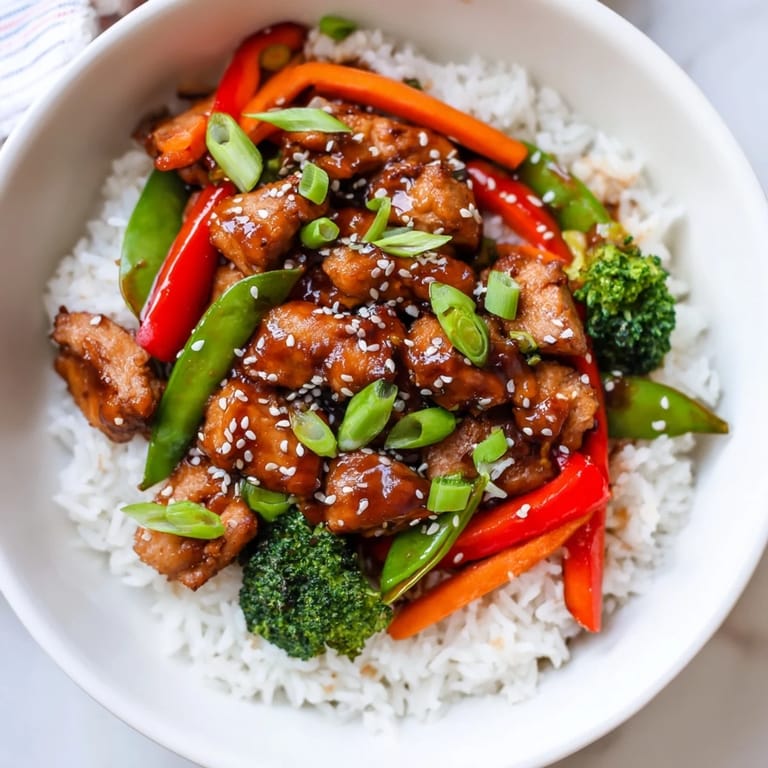
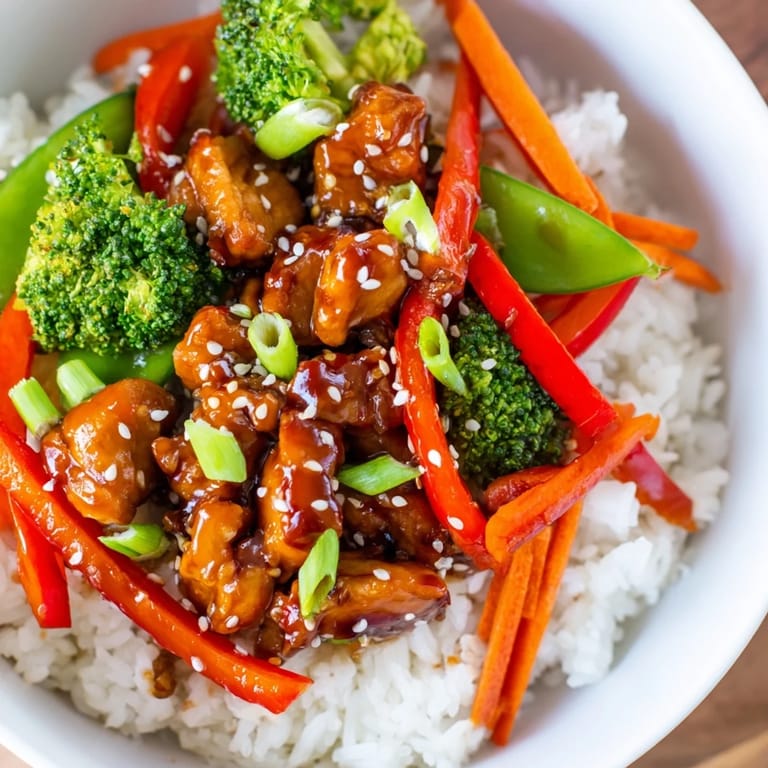
- Divide your warm rice among four bowls, top generously with the glazed chicken and vegetables, then sprinkle sesame seeds and sliced spring onions over everything. That final step is what makes it feel like a proper meal rather than just ingredients in a bowl.
 Pin it
 The first time someone told me they made this for their family and everyone asked for seconds, I realized this bowl works because it tastes homemade but feels restaurant-level. That's a rare thing to achieve, and it's exactly why I keep coming back to it.
Why Chicken Thighs Matter Here
Thighs have more fat than breasts, which means they're almost impossible to overcook and they actually absorb sauce instead of deflecting it. The first time I switched from breasts to thighs for this recipe, I understood why Japanese restaurants use them. You get more flavor, more juiciness, and honestly fewer disasters when you're distracted by other parts of dinner.
The Art of the Glaze
A glossy teriyaki glaze is about balance—sweet, salty, acidic, and thick all working together. I've ruined batches by skipping the vinegar (too cloying) and by using too much cornstarch (too thick to even coat properly). The secret is to taste it before it hits the pan; you can fix the flavor then, not after.
Serving and Timing Tips
Everything comes together in the last five minutes, so have your rice warm and your sauce ready before you start cooking the chicken. This bowl is best served immediately, while the rice is still steaming and the glaze still has that freshly-made shine. If you're serving multiple people, you can keep components warm separately and assemble bowls to order.
- Make the rice and sauce first, then tackle the chicken so everything peaks at the same moment.
- If vegetables start cooking before you're ready, slide them to the edge of the pan where it's cooler.
- Leftovers reheat fine, though the glaze will be less glossy—add a splash of water and warm gently to restore some shine.
 Pin it
 This bowl is proof that simple ingredients and a few technique wins can make something that tastes like you've been cooking since dawn. It's the kind of dish that makes people feel cared for, and honestly, that's the whole point.
Recipe Q&A
- → How do I make the teriyaki sauce thick and glossy?
After simmering soy sauce, mirin, honey, and seasonings, stir in a cornstarch slurry and cook for 1–2 minutes until sauce thickens and shines.
- → What vegetables work best for stir-frying?
Carrots, bell peppers, broccoli, and sugar snap peas are ideal since they retain a crisp texture while cooking quickly.
- → Can I use chicken breasts instead of thighs?
Yes, boneless skinless chicken breasts can be used, but be careful not to overcook them as they cook faster and may dry out.
- → How do I prevent the chicken from sticking to the pan?
Use a hot skillet with vegetable oil and avoid overcrowding the pan to allow proper searing and easy flipping.
- → What garnishes enhance the dish’s flavor?
Sprinkling toasted sesame seeds and thinly sliced spring onions adds a nutty flavor and fresh bite to finish the bowl.