 Pin it
 There's something about stirring a pot of carrots and coconut milk that makes a cloudy afternoon feel manageable. I stumbled onto this soup while hunting through my pantry on a Tuesday, finding a can of coconut milk shoved behind some spices I'd forgotten I owned. The combination seemed unlikely at first, but that first spoonful—warm, subtly spiced, impossibly creamy—convinced me otherwise. Now it's the soup I reach for when I want something that tastes like it took hours but asks for barely half one.
I made this for my neighbor when her garden exploded with carrots late summer, and watching her face light up at that first taste made me understand why comfort food matters. She asked for the recipe immediately, then came back three days later saying she'd made it twice already, once with an apple because she had one going soft in her fruit bowl. Simple dishes like this have a way of becoming something people cook on repeat.
Ingredients
- Olive oil: Just enough to let your aromatics soften without browning, setting the foundation for everything that follows.
- Onion: The quiet backbone here, sweetening slightly as it cooks and mellowing any harshness from the garlic.
- Garlic cloves: Add these after the onion so they perfume the oil without burning and turning bitter.
- Carrots: The star of the show, these need good slicing so they cook evenly and blend into something velvety.
- Potato: A small one is all you need, but it's essential for creating that silky texture when blended.
- Vegetable broth: Use something you'd actually drink on its own, since it becomes the soup's backbone.
- Coconut milk: Full-fat is non-negotiable here—the kind with actual cream content, not the watery stuff.
- Ground ginger: Brings a subtle warmth that coconut milk loves, though fresh ginger works beautifully if you have it.
- Ground coriander: This is the secret ingredient that makes people ask what you put in here.
- Ground cumin: Just enough to add earthiness without announcing itself.
- Chili flakes: Optional but recommended, adding a whisper of heat that brightens every spoonful.
- Salt and pepper: Taste at the end and trust your instincts, remembering that broth is already salted.
- Fresh cilantro or parsley: Chop this last minute and scatter it on top for color and a fresh note.
- Toasted coconut flakes: Adds a textural surprise and doubles down on the coconut flavor if you're drawn to it.
- Lime juice: A squeeze at the end lifts everything, making the flavors pop.
Tired of Takeout? 🥡
Get 10 meals you can make faster than delivery arrives. Seriously.
One email. No spam. Unsubscribe anytime.
Instructions
- Get your pot warm and welcoming:
- Heat the olive oil in a large pot over medium heat, then add your chopped onion and let it soften for 3 to 4 minutes until it turns translucent and loses its sharp bite. You'll know it's ready when you can smell its sweetness clearly.
- Build the aromatic base:
- Add your minced garlic and ginger, stirring constantly for about a minute until the whole kitchen smells incredible and the rawness is gone. This matters more than you'd think—that minute of cooking prevents any harsh garlic flavor.
- Introduce your main players:
- Stir in the sliced carrots and diced potato, cooking for another 2 to 3 minutes so they start releasing their natural sweetness. You're not cooking them through yet, just beginning the conversation between vegetables.
- Toast the spices:
- Add your coriander, cumin, and chili flakes if using them, stirring to coat everything in those warm spices for a full minute. This toasting step brings out their depth in a way that just adding them to liquid never does.
- Bring it all together:
- Pour in your vegetable broth and bring the whole pot to a boil, then reduce heat to medium-low, cover, and let it simmer for about 20 minutes until the carrots and potato are so tender they practically fall apart. The kitchen will smell like comfort itself.
- Introduce the coconut milk:
- Stir in the coconut milk and let everything warm through for 2 to 3 minutes, being careful never to let it boil as that can separate the cream. You're just bringing everything to a gentle acquaintance.
- Blend to velvet:
- Remove from heat and use an immersion blender to purée everything into a smooth, pourable soup, or carefully do this in batches in a countertop blender if that's what you have. The transformation from chunky to silky always feels a bit magical.
- Taste and adjust:
- Season with salt, pepper, and a good squeeze of lime juice, tasting as you go and trusting that final brightness to pull everything into focus. Lime is the closing parenthesis that makes the whole sentence complete.
- Serve it up:
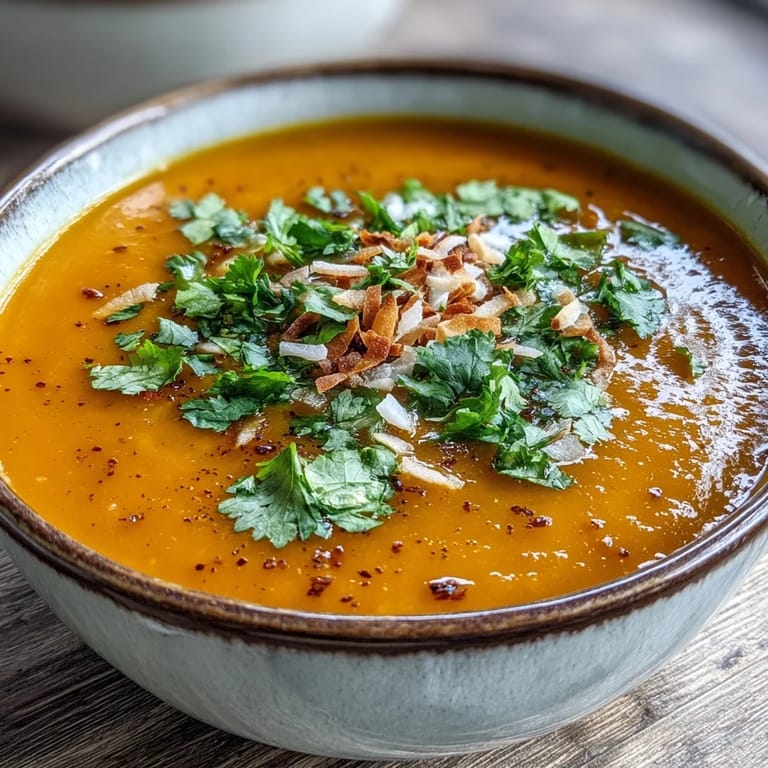
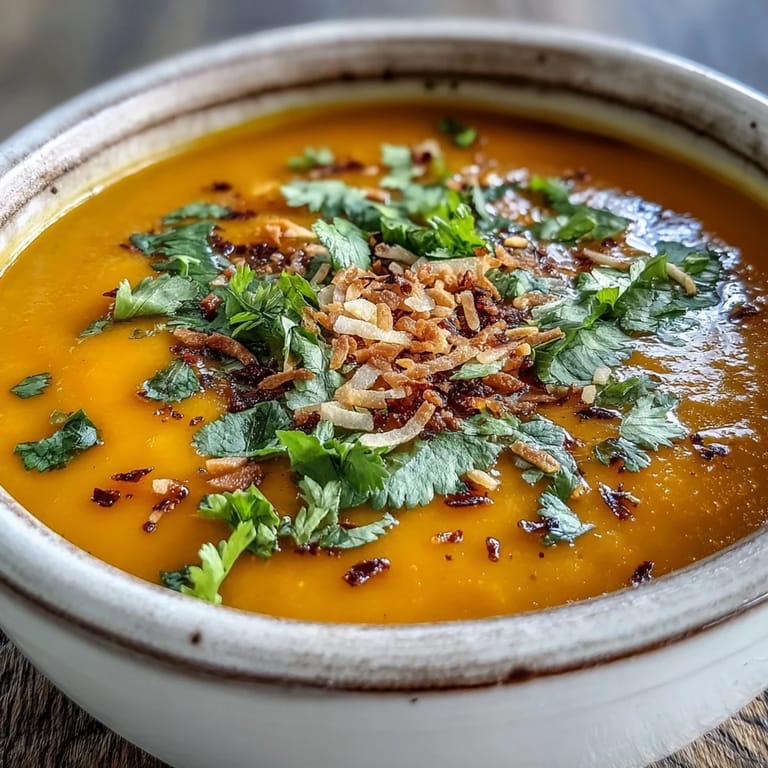
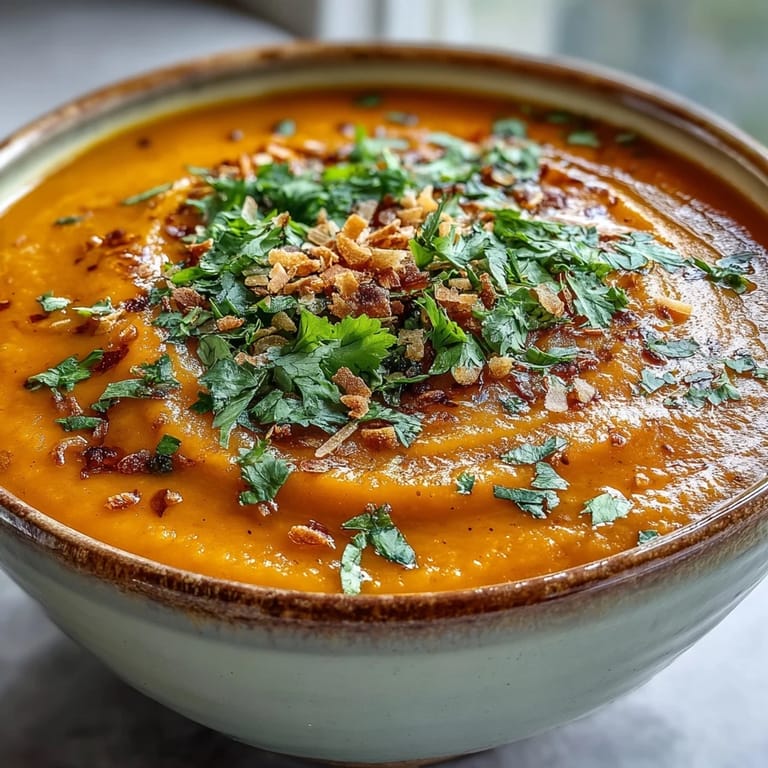
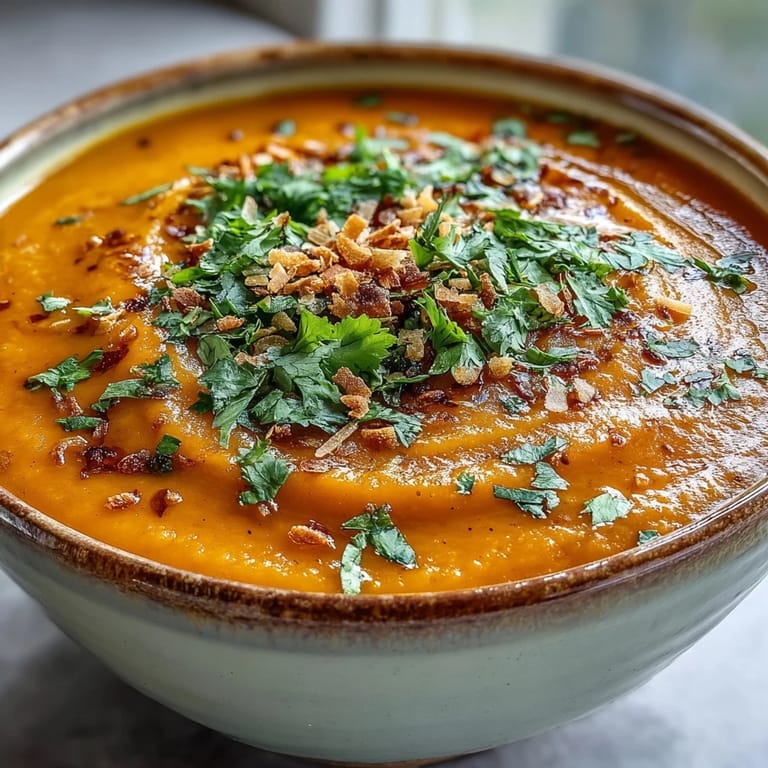
- Ladle into bowls and scatter cilantro, toasted coconut flakes, or a pinch of chili flakes on top if the mood strikes. A bowl of this soup says you took care in making something that took no time at all.
 Pin it
  Pin it
 There's a moment just after blending when you pour the soup back into the pot and see it catch the light, all silky and golden-orange, that reminds me why I cook at all. It's never about impressing anyone, really—it's about knowing that something warm and good is about to make someone's day a little easier.
The Magic of Texture
The potato in this soup doesn't announce itself, which is exactly why it's so important. It disappears completely during blending but leaves behind a richness and creaminess that makes people think you used actual cream, when really you've just understood how vegetables work. This is the kind of quiet cooking knowledge that becomes part of your instinctive repertoire over time.
When to Add an Apple
My neighbor's addition of apple was genuinely inspired, and now I keep one in the crisper drawer specifically for this soup. It dissolves into the broth just like the potato and adds this almost imperceptible sweetness that makes people pause mid-spoonful wondering what exactly they're tasting. A small apple, peeled and chopped, goes in with the carrots and cooks for the full 20 minutes.
Beyond the Basic Bowl
This soup is adaptable in ways that make it feel more like a template than a strict recipe, which I've come to love about it. Serve it over jasmine rice for something more substantial, pair it with crusty bread for soaking up every last drop, or even drizzle it into a shallow bowl and top with crispy chickpeas for crunch if you're feeling creative.
- Roast your carrots in the oven with a little oil before adding them to the pot if you have an extra 20 minutes and want that deeper, caramelized flavor.
- A squeeze of orange juice instead of lime brings a subtle different brightness that works equally well.
- Keep this in the refrigerator for up to four days, and it actually tastes better the next day when all the flavors have gotten to know each other properly.
 Pin it
  Pin it
 This is the soup that proves you don't need fancy techniques or impossible-to-find ingredients to make something that tastes like real cooking. It's there for you on busy Tuesdays, sore throat days, and afternoons when you need the kitchen to smell like something's being taken care of.
Recipe Q&A
- → Can I make this soup ahead of time?
Yes, this soup keeps well in the refrigerator for up to 4 days. Store in an airtight container and reheat gently on the stovetop, adding a splash of broth if needed to adjust consistency.
- → Can I freeze carrot and coconut soup?
Absolutely. Freeze in portion-sized containers for up to 3 months. Thaw overnight in the refrigerator and reheat gently, stirring well as coconut milk may separate slightly when frozen.
- → What can I substitute for coconut milk?
For a nut-free option, use cashew cream or oat cream. Heavy cream works for non-vegan versions. Keep in mind this will alter the flavor profile and remove the subtle tropical note.
- → How do I make this soup spicier?
Increase the chili flakes to taste, add fresh chopped jalapeño with the garlic, or stir in a teaspoon of curry paste with the spices for deeper heat and complexity.
- → Can I use pre-roasted carrots?
Yes, roasted carrots add wonderful caramelized depth. Simply reduce the simmering time since they're already tender, and proceed with adding the coconut milk and blending.
- → What type of potato works best?
Yukon Gold or russet potatoes work well as they break down easily when blended, creating a creamier texture. You can also substitute with sweet potato for extra sweetness.