 Pin it
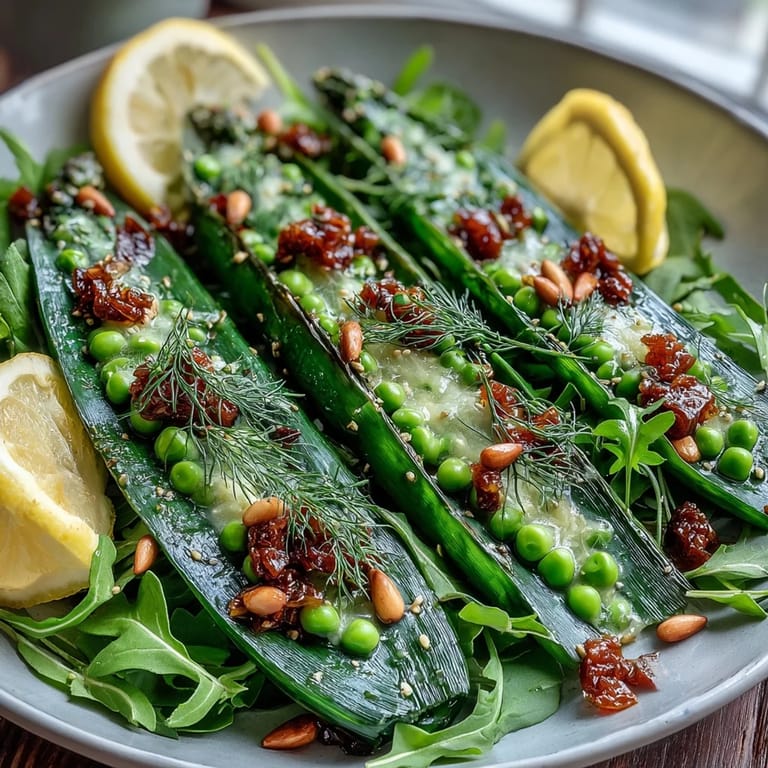
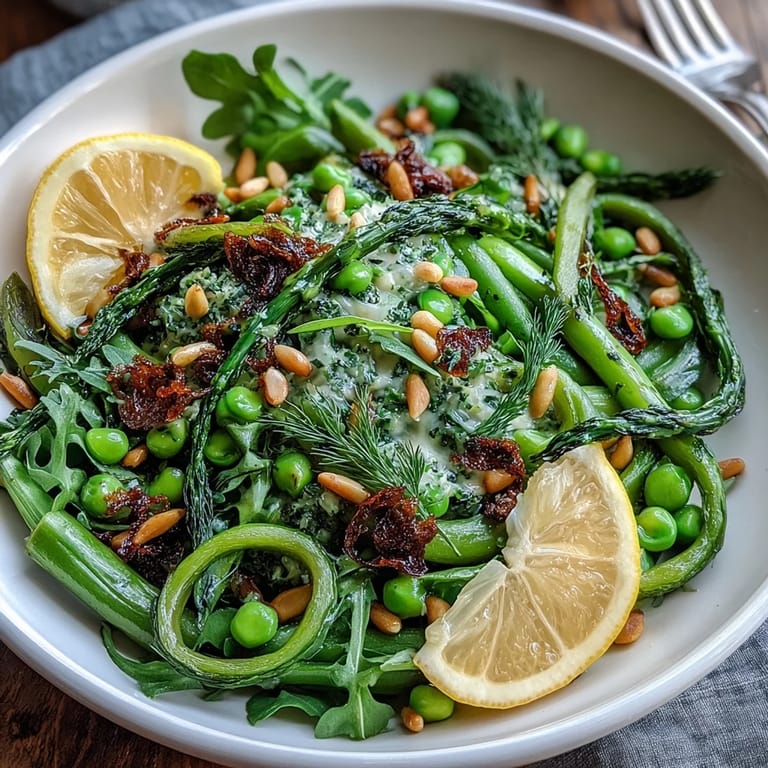
 There's something about April that makes me crave salads that actually taste like spring instead of just looking the part. A friend brought this shaved asparagus and pea situation to a potluck, and I watched people go back for thirds—which never happens with salad. What got me was how the vegetable peeler transformed those asparagus spears into delicate ribbons that somehow felt both elegant and effortless. The brightness of the lemon dressing made everything sing, and suddenly I understood why some people genuinely get excited about leafy greens.
I made this for my mom's garden club meeting last May, and honestly, I was nervous because these women have actual vegetable gardens and know what they're talking about. But something magical happened when I tossed that salad together at the table—the way the ribbons caught the light, how the radishes added that peppery snap, the smell of fresh lemon zest cutting through everything. One of them asked for the recipe before even sitting down, which felt like winning the lottery.
Ingredients
- Fresh asparagus (1 bunch, about 300 g): Choose bright green spears that feel firm and snap cleanly when bent—if they're limp or wrinkled, they've been hanging around too long.
- Green peas (1 cup, 150 g): Fresh or frozen both work beautifully; frozen actually stays perfectly tender because they're picked and frozen at peak ripeness.
- Baby arugula or spring greens (2 cups, 50 g): These add peppery depth and won't get drowned out by the other flavors like iceberg would.
- Radishes (2): Thinly slice them just before serving or they'll oxidize and lose their crunch and bright color.
- Shaved Parmesan cheese (1/4 cup, 30 g): Use a vegetable peeler or microplane for delicate curls that melt slightly into the warm salad rather than sitting like chunks.
- Toasted pine nuts or slivered almonds (1/4 cup, 30 g): Toasting them yourself makes a world of difference—the oils release and suddenly they're not just texture, they're flavor.
- Extra-virgin olive oil (3 tbsp): This is where quality actually matters since it's raw; splurge a little on something with character.
- Freshly squeezed lemon juice (2 tbsp): Bottled lemon juice tastes like sadness; fresh changes everything about how bright this dressing becomes.
- Lemon zest (1 tsp): The oils in the zest add a subtle perfume that you can't quite name but absolutely notice when it's missing.
- Honey or maple syrup (1 tsp): Just a touch balances the acid and makes the dressing feel sophisticated rather than aggressively sour.
- Dijon mustard (1 tsp): This acts as an emulsifier but also adds a subtle mustard note that somehow makes everything taste more like itself.
- Sea salt and black pepper (1/2 tsp and 1/4 tsp): Season thoughtfully—you can always add more, but you can't take it back.
Tired of Takeout? 🥡
Get 10 meals you can make faster than delivery arrives. Seriously.
One email. No spam. Unsubscribe anytime.
Instructions
- Shave the asparagus with intention:
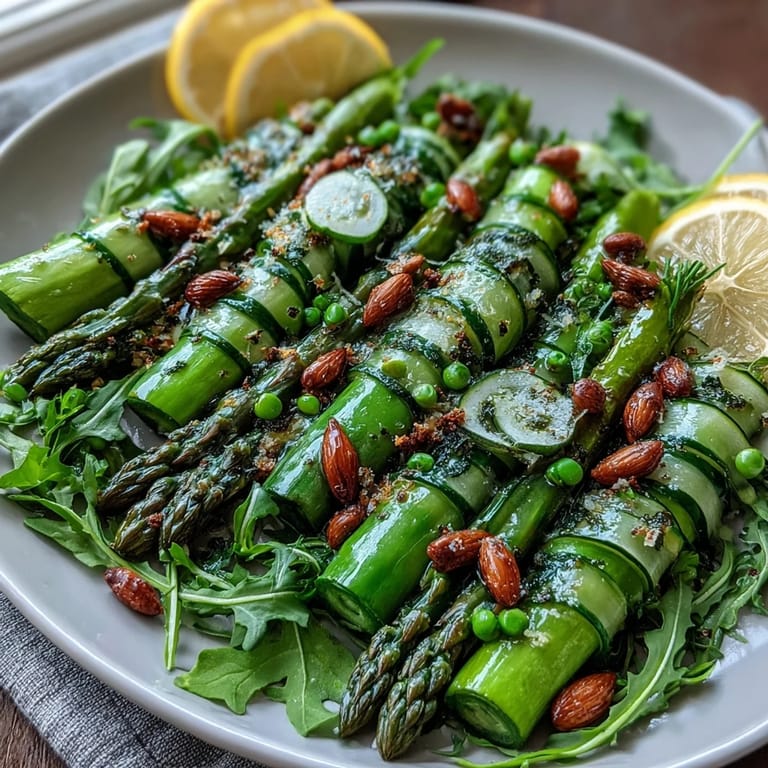
- Hold each spear steady on your cutting board and draw the vegetable peeler toward you, creating long, delicate ribbons—they should feel almost translucent when held up to light. This step takes longer than you'd think, but the texture payoff is worth every second.
- Build the salad base:
- Toss your asparagus ribbons into a large bowl with the peas, greens, and radishes, letting each ingredient settle naturally rather than aggressively mixing. This gentle approach keeps everything intact and prevents the delicate asparagus from breaking apart.
- Create the dressing:
- Whisk together the oil, lemon juice, zest, honey, mustard, salt, and pepper in a small bowl or jar until it looks slightly thicker and paler than when you started—that's emulsification happening. Taste it straight from a spoon before it meets the salad; it should make your mouth water immediately.
- Dress and toss with grace:
- Drizzle the dressing over everything and toss gently, using tongs or two forks to coat without crushing the vegetables. Work quickly but carefully—the goal is even distribution without turning your beautiful salad into mush.
- Finish with texture and cheese:
- Scatter the shaved Parmesan and toasted nuts over the top just before serving, or toss them in if you prefer—either way, do this at the last possible moment so they stay crisp. Serve immediately while the asparagus is still yielding and the greens haven't begun to wilt.
 Pin it
 There's a moment right after you toss a salad like this when the dressing coats everything in that shimmery, wet way that somehow makes vegetables feel celebratory instead of obligatory. I realized that day that good food doesn't need to be complicated or time-consuming to feel special—it just needs intention and ingredients that actually taste like something.
Shaving Asparagus: A Small Technique That Changes Everything
The first time I tried to shave asparagus, I held the peeler wrong and ended up with a sad mangled spear and splinters of green. Now I know to anchor the spear flat against the cutting board with my non-knife hand, using my thumb to guide rather than grip, and letting the peeler do the work. The ribbons should feel almost silky between your fingers, and if they're snapping off short and angry, your peeler might be too dull or you're pressing too hard. Think of it less like aggressive vegetable prep and more like coaxing the asparagus into its best form—which, honestly, is life advice disguised as cooking.
Why This Salad Works in Every Season
Spring is obvious—that's when fresh asparagus shows up at farmers markets and makes you believe in renewal again. But summer works beautifully too when you want something crisp without heating up the kitchen, and even fall becomes interesting when you add roasted pumpkin seeds instead of pine nuts. Winter is the one season where it loses a bit of magic because asparagus gets flown in from somewhere else and it never tastes quite right, but that's when the recipe becomes an excuse to dream about spring coming back around.
Making It Your Own Without Losing the Magic
The bones of this recipe are solid, which means you can absolutely riff on it without creating something unrecognizable. I've added fresh mint and tarragon when I had them growing nearby, swapped the pine nuts for walnuts or sunflower seeds depending on what needed eating, and even went rogue with a balsamic twist on the lemon dressing once when I was feeling adventurous. The real secret is respecting the core formula—bright acid, good fat, tender vegetables, contrasting textures—and then letting your pantry be your muse.
- Add fresh herbs like mint, basil, or tarragon if you're feeling fancy, but use them as a whisper rather than a shout.
- Substitute the greens for any tender lettuces or leafy vegetables you actually like eating instead of forcing the arugula thing.
- If tree nuts feel like too much, shaved cheese alone is beautiful, or swap in sunflower seeds for a completely different but equally satisfying crunch.
 Pin it
 This salad taught me that sometimes the best dishes are the ones that celebrate ingredients in their simplest form rather than burying them under complicated technique. It's become my answer when someone asks what to bring to a gathering—reliable, delicious, and always a little bit special.
Recipe Q&A
- → How do I prepare the asparagus for this dish?
Use a vegetable peeler to shave asparagus stalks into thin ribbons, removing woody ends for the best texture.
- → Can frozen peas be used instead of fresh?
Yes, thawed frozen green peas work well and maintain the salad’s sweetness and texture.
- → What alternatives are suggested for nuts or cheese?
For a vegan option, omit the cheese or substitute with plant-based alternatives, and skip or replace nuts as preferred.
- → How is the lemon dressing made?
Whisk olive oil, freshly squeezed lemon juice, lemon zest, honey or maple syrup, Dijon mustard, salt, and pepper together until emulsified.
- → What pairs well with this salad for a fuller meal?
This salad complements grilled fish or chicken nicely, offering a light yet flavorful accompaniment.